
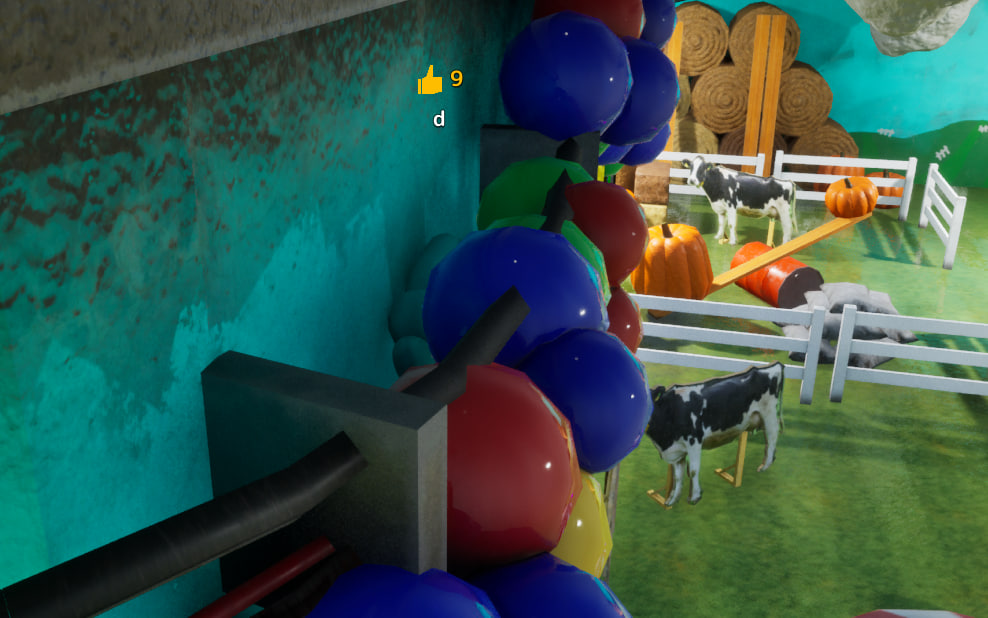
Indoor Country simulates an outdoor barnyard indoors — cows, horse statues, hay, pumpkins, and fence lines in a relatively open floor plan. It feels smaller than hotel or mansion maps, so scale mistakes show up quickly.
Read the route, identify the likely approach angle, then test paint, pose, and outline in the room you are playing.
What to practice here
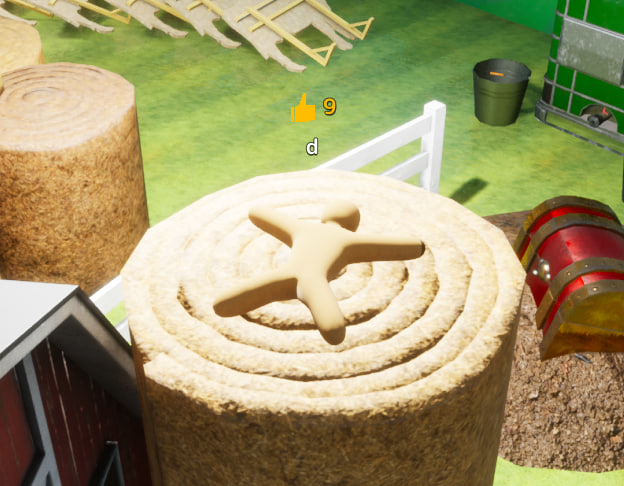
Work shape before colour: decide whether the body should read as hay-width, standee-height, or pumpkin-low before opening paint. Round props need rounded poses, not standing outlines.
Landmark prompts
Use these prompts to inspect the room from both the Hider and Seeker point of view.
| Landmark | Hider question | Seeker question | Note |
|---|---|---|---|
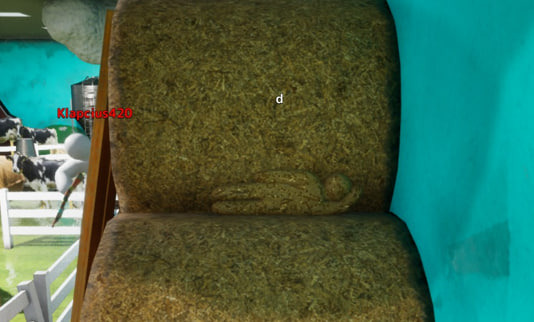
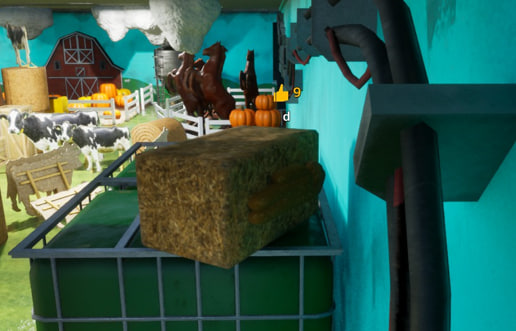
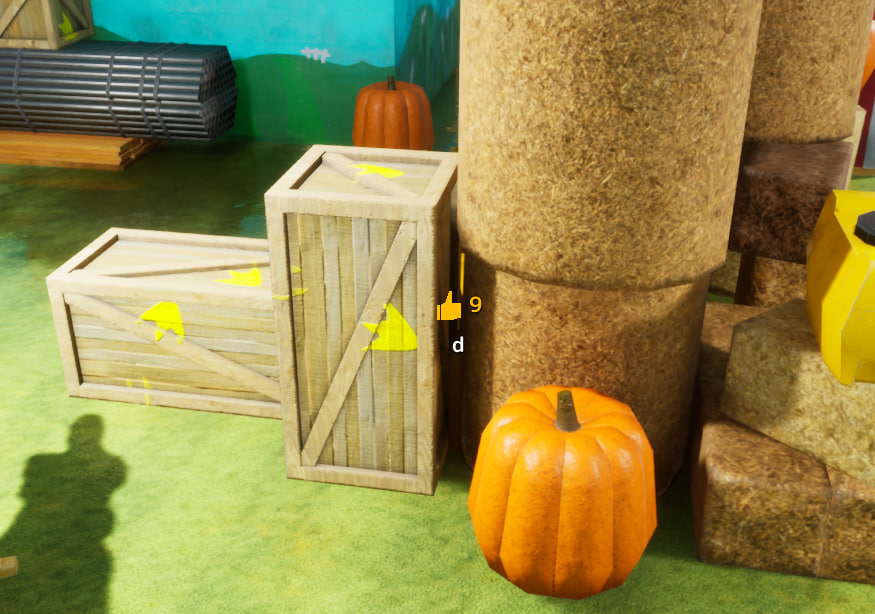
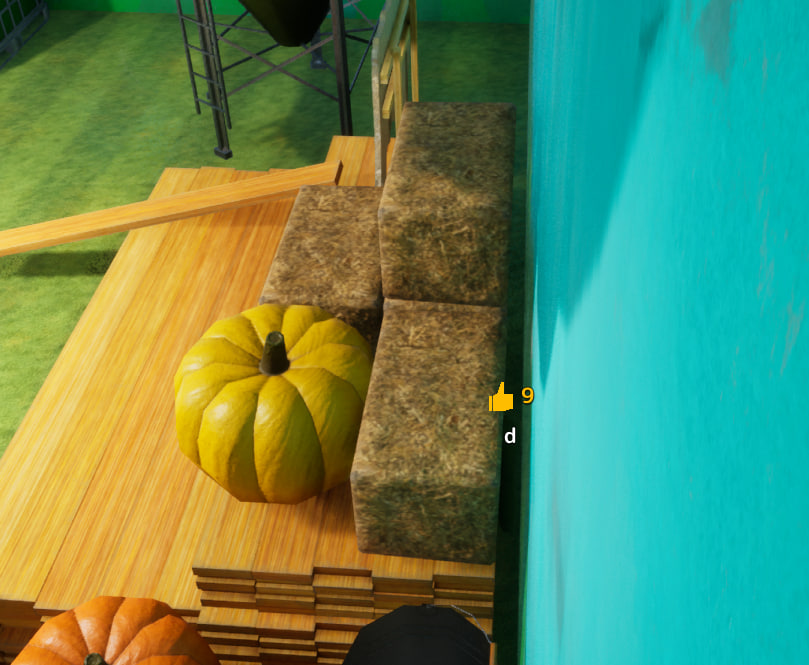
| Hay, pumpkin & crate corner | Can the pose fit between bales without adding height above the stack? | Does one bale or crate break the stack outline? | Route prompt |
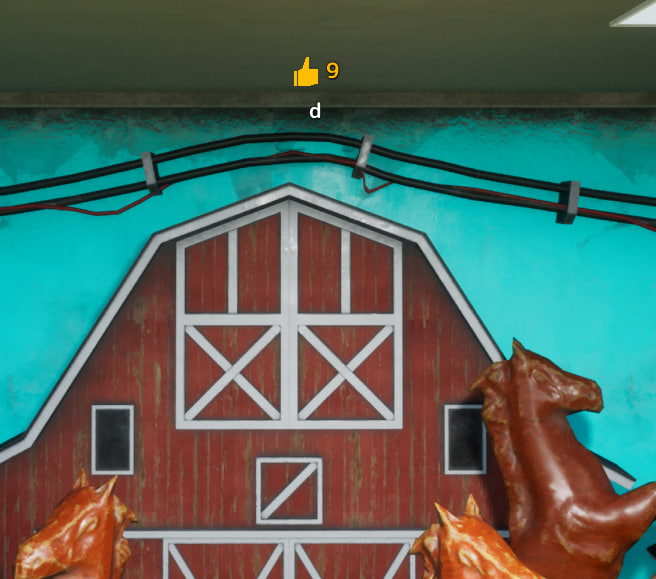
| Horse standee row | Can the body match standee width and height from the main approach? | Is there an extra vertical at a statue gap? | Route prompt |
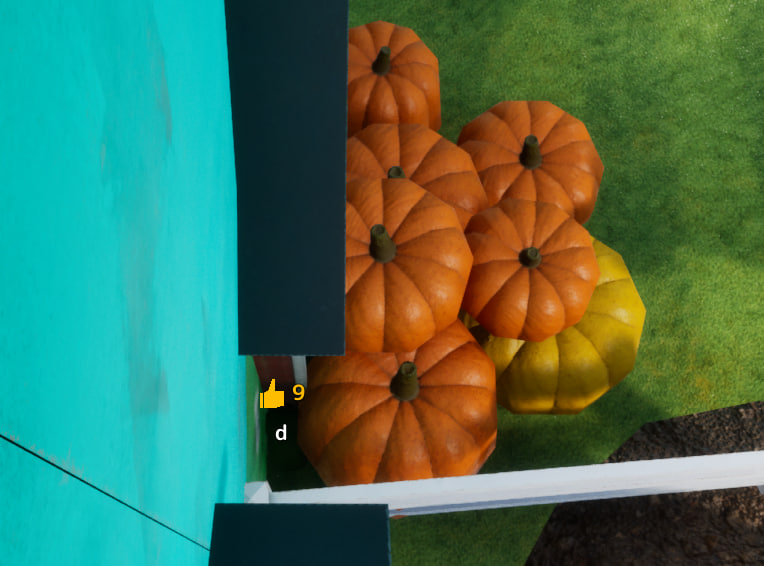
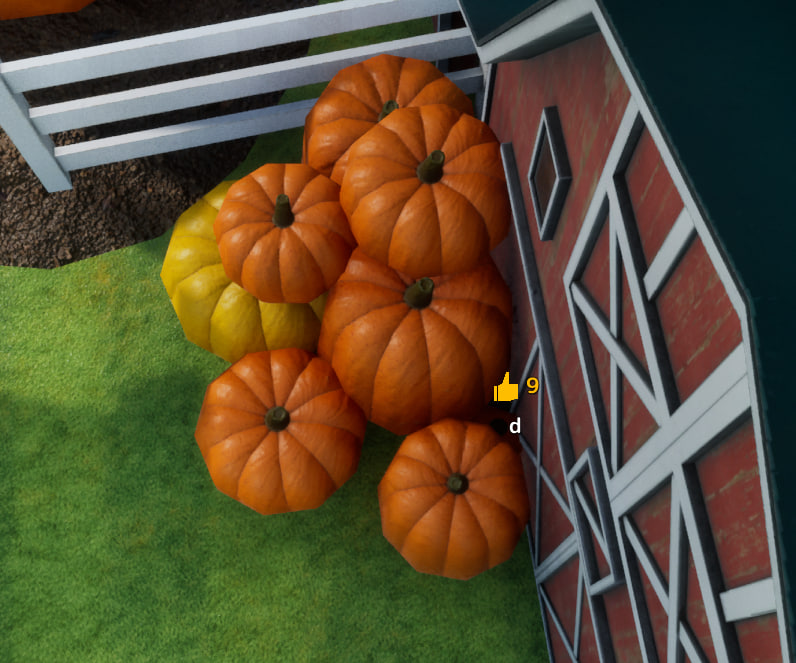
| Pumpkin patch | Can the silhouette read as low and round among the patch rhythm? | Does one “pumpkin” have the wrong height or width? | Practice note |
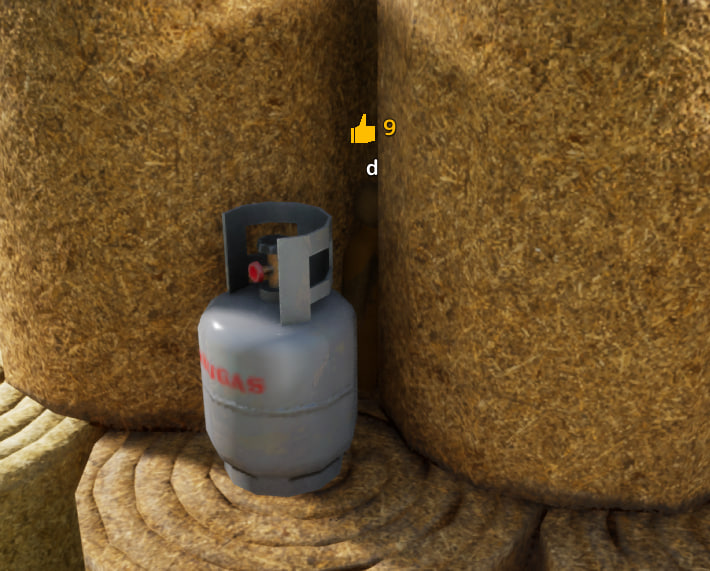
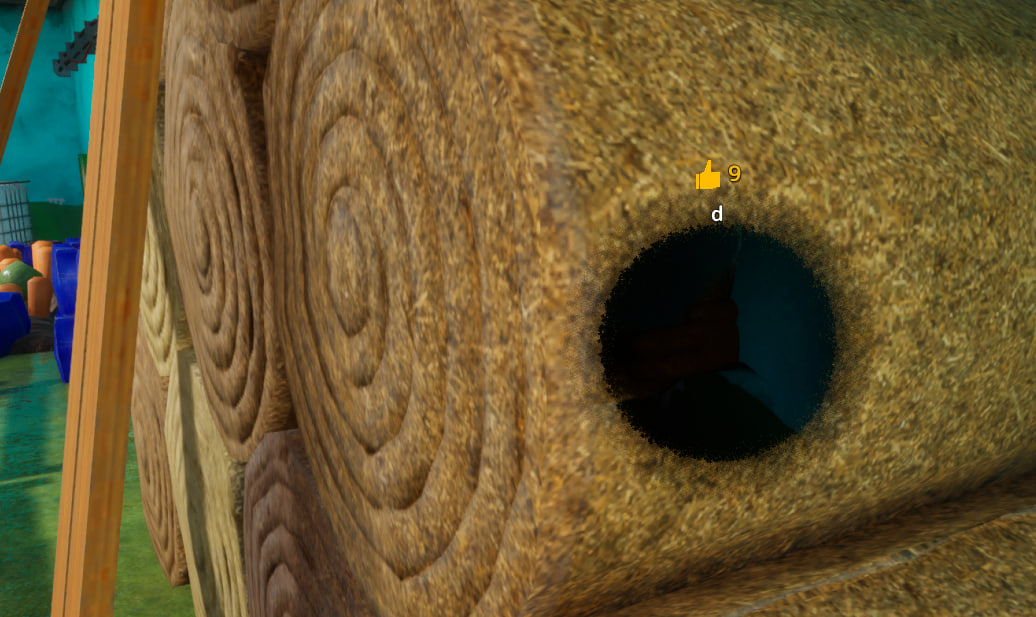
| Large hay pile | Can you align with the pile edge instead of sitting on top of it? | Does the pile show a smooth human-shaped bump? | Route prompt |
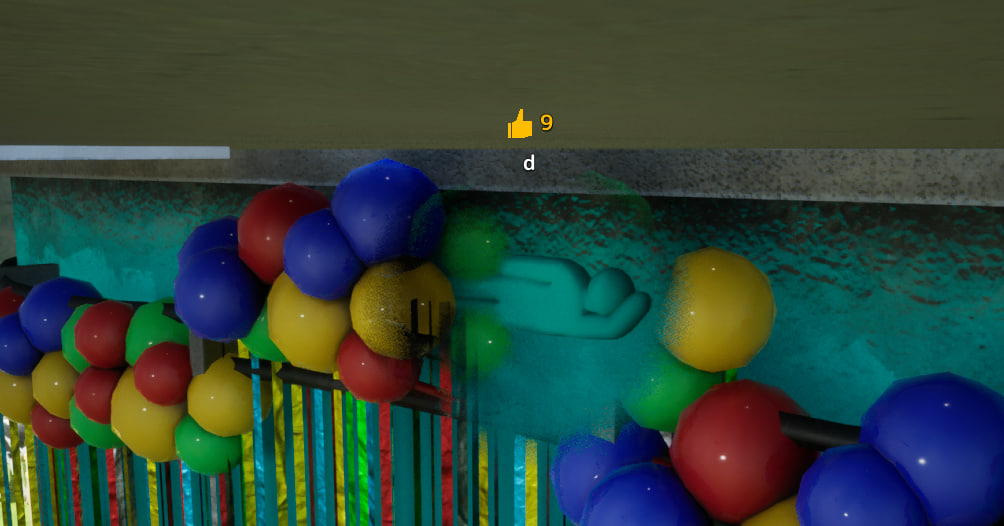
| Centre balloon line | Can balloon colour and string height match without floating above the line? | Does one balloon break the horizontal rhythm? | Practice note |
Study routes on Indoor Country
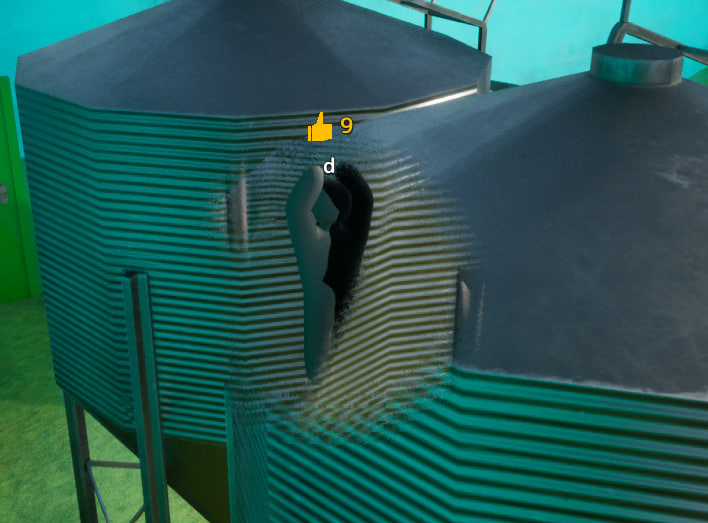
Use these examples to identify prop families, approach angles, and outline breaks, then adapt the idea to the room you are playing.
How to turn a study into a usable hide
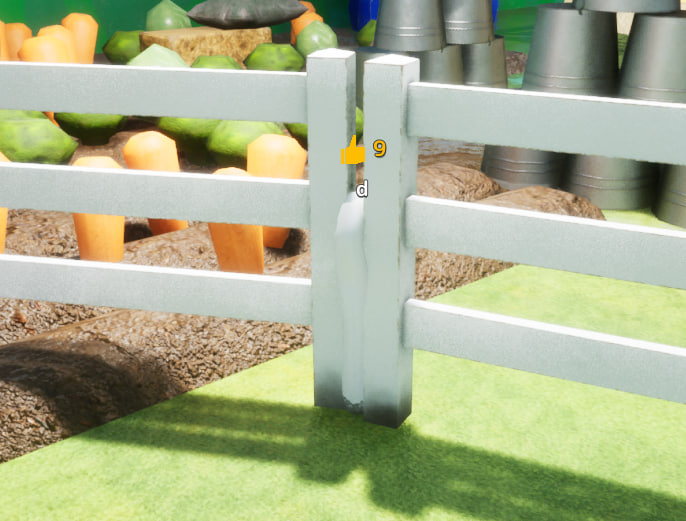
- Hay and crate corners reward low curl poses — standing torsos read instantly in an open barn floor.
- Horse standees are scale references: match width before copying brown tones from another corner.
- Pumpkin patches fail when the head rises above the patch line — check from the spawn sightline.
Hider decision rule
- Choose the backdrop before opening the paint tools.
- Match the largest visible surface first, then use pose to reduce the body outline.
- Spend the last moments checking the edges a Seeker will see first, not adding tiny decoration.
- Stop adjusting once the hunt begins; movement can undo a convincing disguise.
Seeker reading rule
Check obvious prop magnets — hay stacks and horse clusters — but compare neighbour scale, not just colour. Open layouts expose tall silhouettes from multiple angles.
Three-round practice plan
- Round one: choose one broad backdrop and judge only whether the silhouette is the wrong height, width, or direction.
- Round two: keep the same area but compare a local light and shadow tone; avoid adding a complicated pattern.
- Round three: approach the area as a Seeker from the opposite direction and name the first visual clue that breaks the disguise.
Common failure patterns
- Copying a clip or landmark without checking the current layout.
- Matching a colour from another part of the room instead of the final local surface.
- Adding detail before the pose and broad outline make sense.
- Treating one spot as permanently safe without retesting it.
Post-round review questions
- What did the Seeker see first: movement, an outline, scale, or colour?
- Would the same idea survive a reverse approach angle?
- Did the current map layout differ from what you expected?
Patch note
Centre balloons and hay piles draw attention; they are fine practice zones if the pose matches object height, not if you only match orange hue.