
Penguin Hotel plays like a multi-room mansion: a busy central ballroom, a second-floor overlook, side bedrooms, and narrow hallways between zones. v1.2.0 added the map and v1.4.0 expanded layout connections — retest old clips before you treat any route as permanent.
Read the route, identify the likely approach angle, then test paint, pose, and outline in the room you are playing.
What to practice here
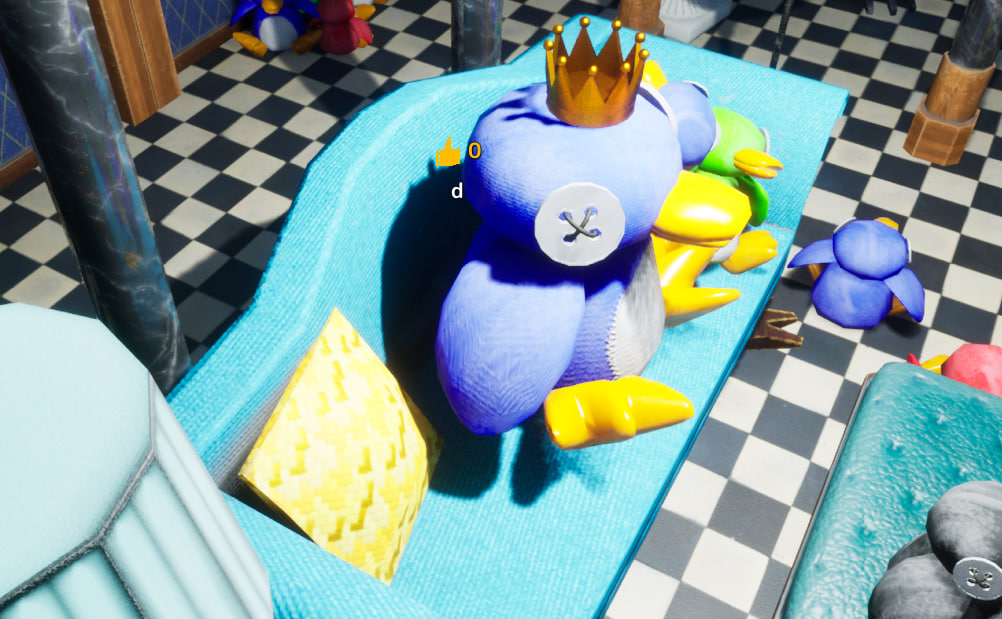
Pick one room family per round — ballroom clutter, plush shelves, or hallway trim — then commit to pose height before colour. The ballroom rewards low silhouettes against plush rows; hallways reward continuing one wall rhythm.
Landmark prompts
Use these prompts to inspect the room from both the Hider and Seeker point of view.
| Landmark | Hider question | Seeker question | Note |
|---|---|---|---|
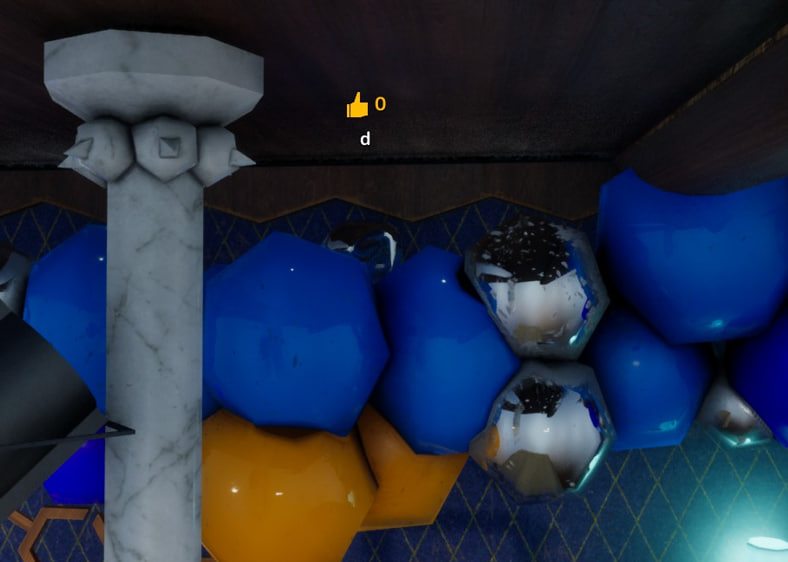
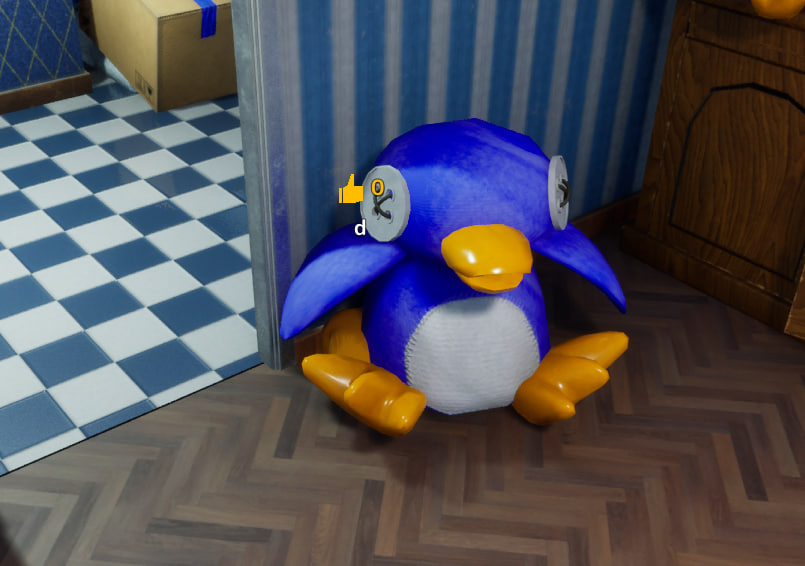
| Penguin ballroom floor | Can the pose stay below plush or balloon height from the main entrance? | Does one cluster have an extra vertical shape among plushies or statues? | Route prompt |
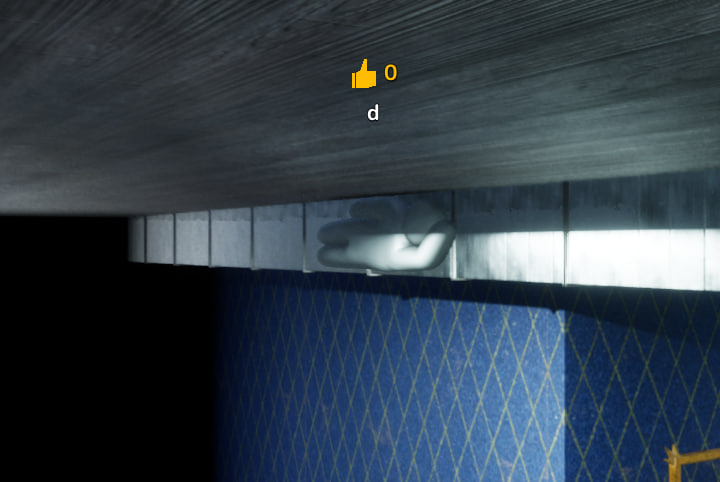
| Upper mezzanine | Does the silhouette match table or dice-block scale from below? | Is there a body-width gap in the railing line or table row? | Practice note |
| Plush storage room | Can you match one bookcase or plush tone instead of mixing shelf colours? | Does one plush row gain an object with the wrong depth? | Route prompt |
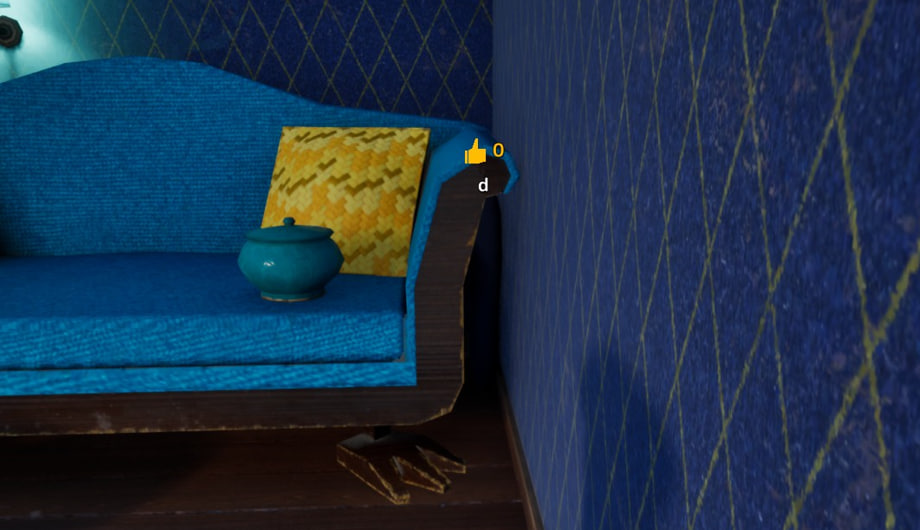
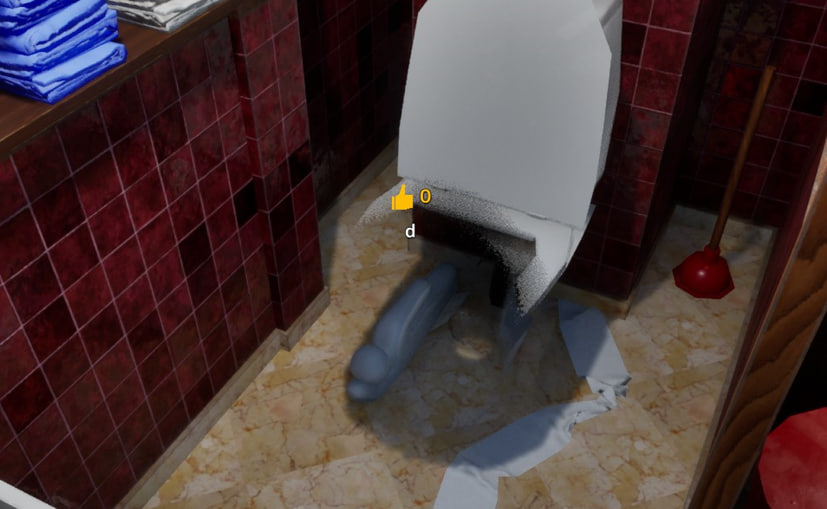
| Bedroom side room | Can the outline fit under the bed line or desk height? | Does the bathroom or bed edge show a human-scale interruption? | Practice note |
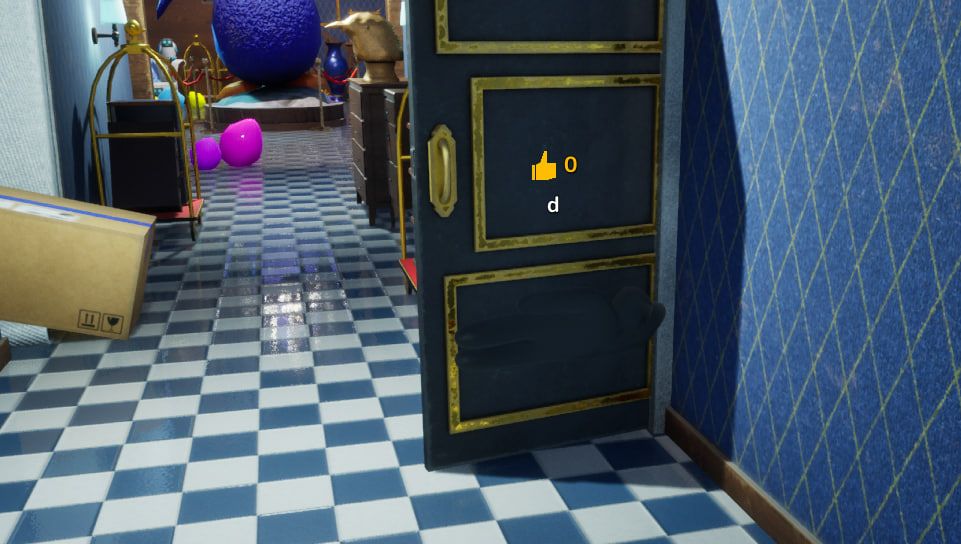
| Connector hallway | Can the pose follow one wall direction without blocking the corridor width? | Does colour continue but spacing breaks between props? | Practice note |
Study routes on Penguin Hotel
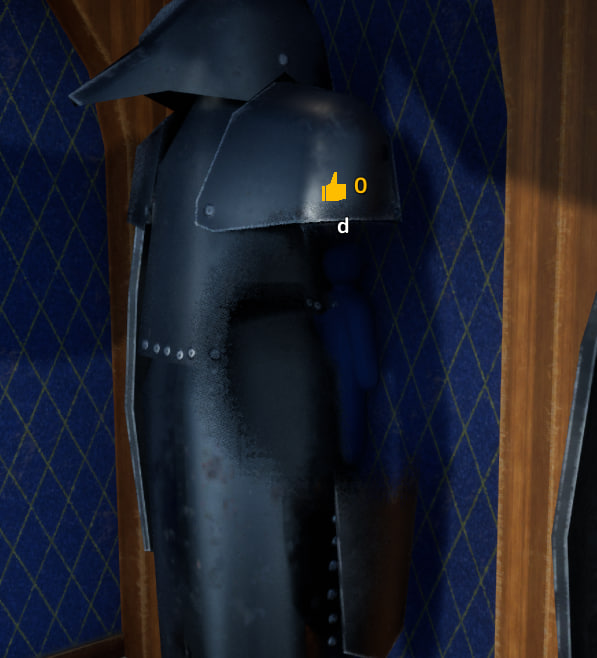
Use these examples to identify prop families, approach angles, and outline breaks, then adapt the idea to the room you are playing.
How to turn a study into a usable hide
- Balloon and plush zones need value matching, not just hue — a near-correct blue can still read as a dark cutout.
- Mezzanine hides fail when the head rises above the table line seen from the floor spawn.
- Hallway props work when you continue one trim colour; mixing both wall tones exposes the outline first.
Hider decision rule
- Choose the backdrop before opening the paint tools.
- Match the largest visible surface first, then use pose to reduce the body outline.
- Spend the last moments checking the edges a Seeker will see first, not adding tiny decoration.
- Stop adjusting once the hunt begins; movement can undo a convincing disguise.
Seeker reading rule
Sweep the ballroom perimeter first, then the mezzanine sightline down into the floor. In connectors, compare object spacing at both ends of the hall — a Hider often breaks rhythm in the middle third.
Three-round practice plan
- Round one: choose one broad backdrop and judge only whether the silhouette is the wrong height, width, or direction.
- Round two: keep the same area but compare a local light and shadow tone; avoid adding a complicated pattern.
- Round three: approach the area as a Seeker from the opposite direction and name the first visual clue that breaks the disguise.
Common failure patterns
- Copying a clip or landmark without checking the current layout.
- Matching a colour from another part of the room instead of the final local surface.
- Adding detail before the pose and broad outline make sense.
- Treating one spot as permanently safe without retesting it.
Post-round review questions
- What did the Seeker see first: movement, an outline, scale, or colour?
- Would the same idea survive a reverse approach angle?
- Did the current map layout differ from what you expected?
Patch note
v1.8.0 fixed an Osaka gap, not Penguin Hotel layout — but any expansion patch can shift sightlines. Walk the current build once before copying a shared clip.