
Sewer is a darker map with open centre piles, side locker rooms, flooded graffiti areas, and vending-machine zones. Many spots feel exposed, but poor lighting rewards correct local shade and line-following silhouettes.
Read the route, identify the likely approach angle, then test paint, pose, and outline in the room you are playing.
What to practice here
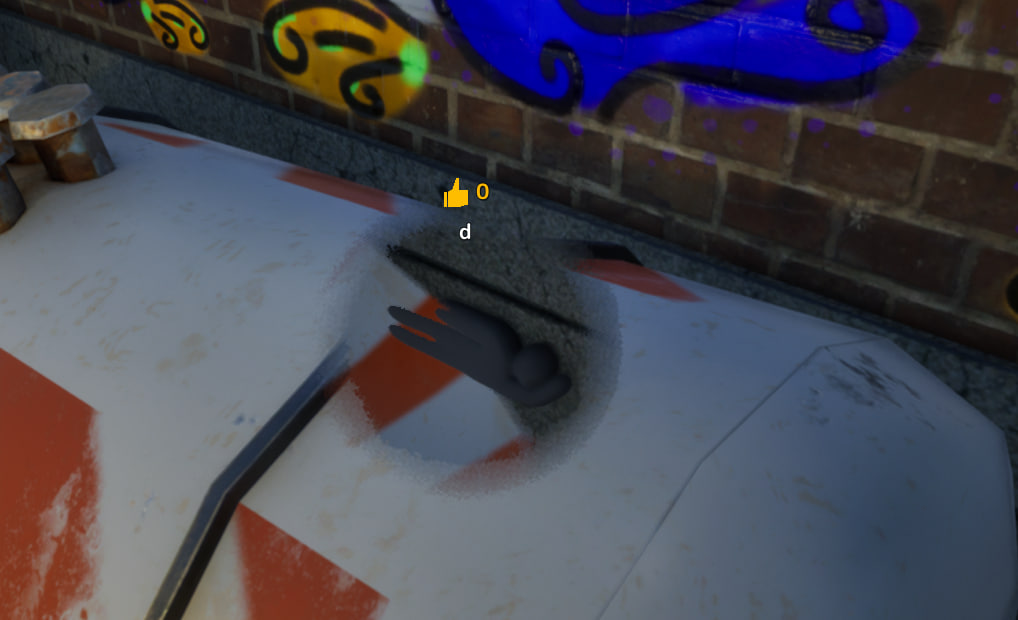
Sample shadow from the surface beside your final pose — borrowing grey from a lit tunnel mouth creates a crisp edge. Pipes and locker rows work when the body extends the line instead of hanging below it.
Landmark prompts
Use these prompts to inspect the room from both the Hider and Seeker point of view.
| Landmark | Hider question | Seeker question | Note |
|---|---|---|---|
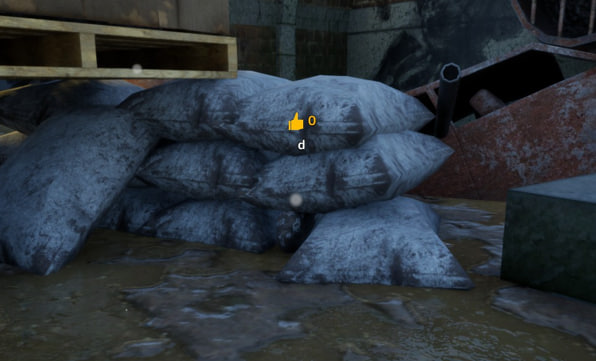
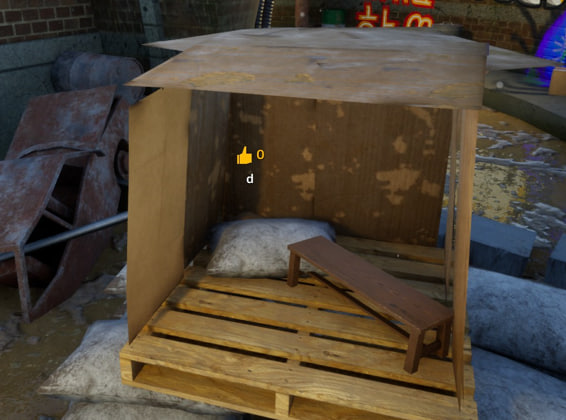
| Centre canister & sandbag pile | Can the pose match container height beside the wall stack? | Does one canister or bag read as the wrong scale? | Route prompt |
| Tea-pot lit nook | Can a creative pose use the odd light falloff without standing in open floor? | Does the lit zone show a body-shaped value jump? | Practice note |
| Locker room rows | Can the silhouette fit one locker door rhythm under overhead light? | Does one locker gap look wider or taller than its neighbours? | Route prompt |
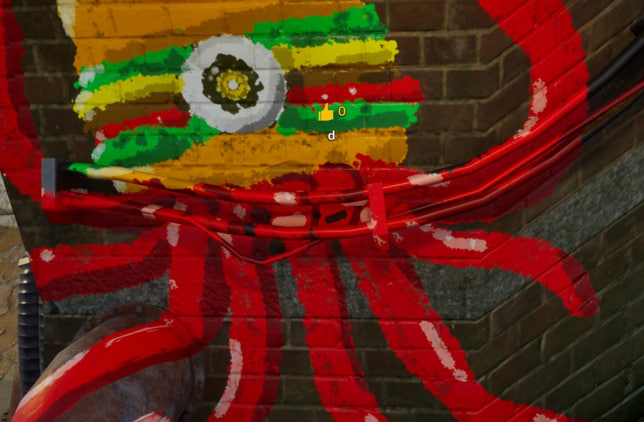
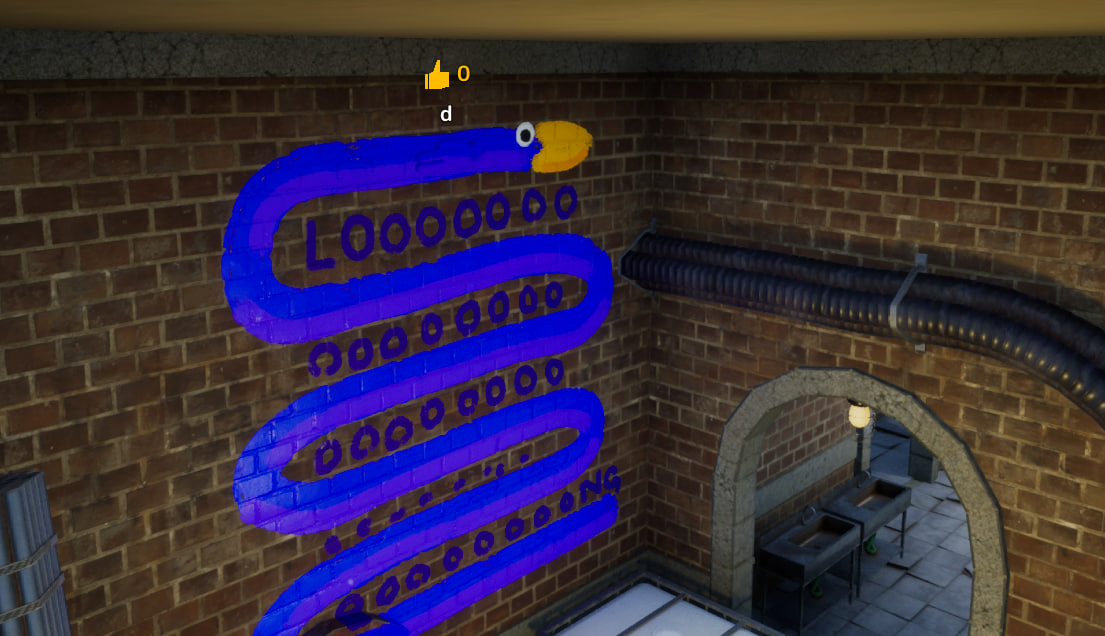
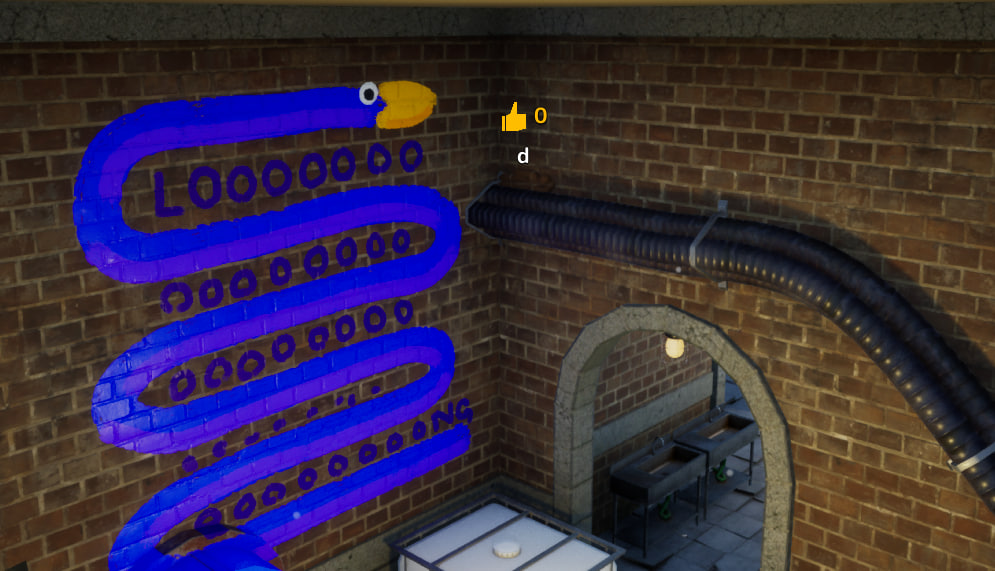
| Flooded graffiti blocks | Can paint follow graffiti plane direction with a shadow Spoid from the wet wall? | Does one block lose texture and gain a smooth human edge? | Practice note |
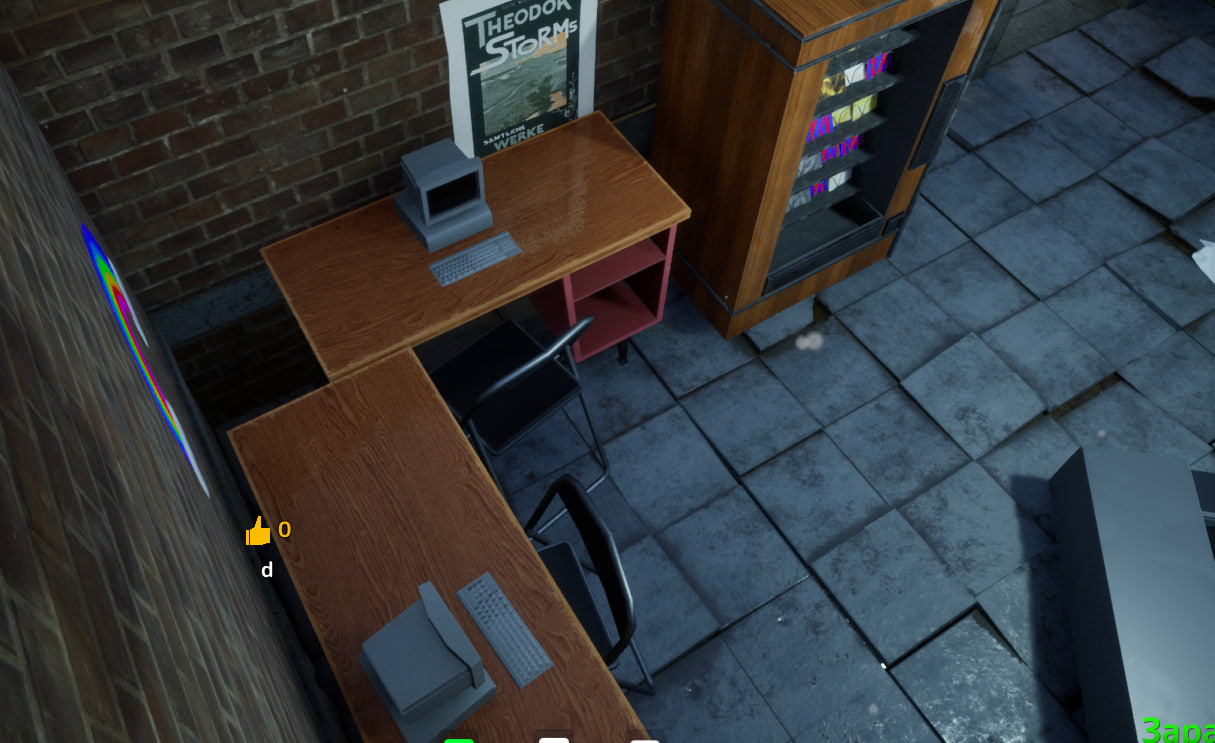
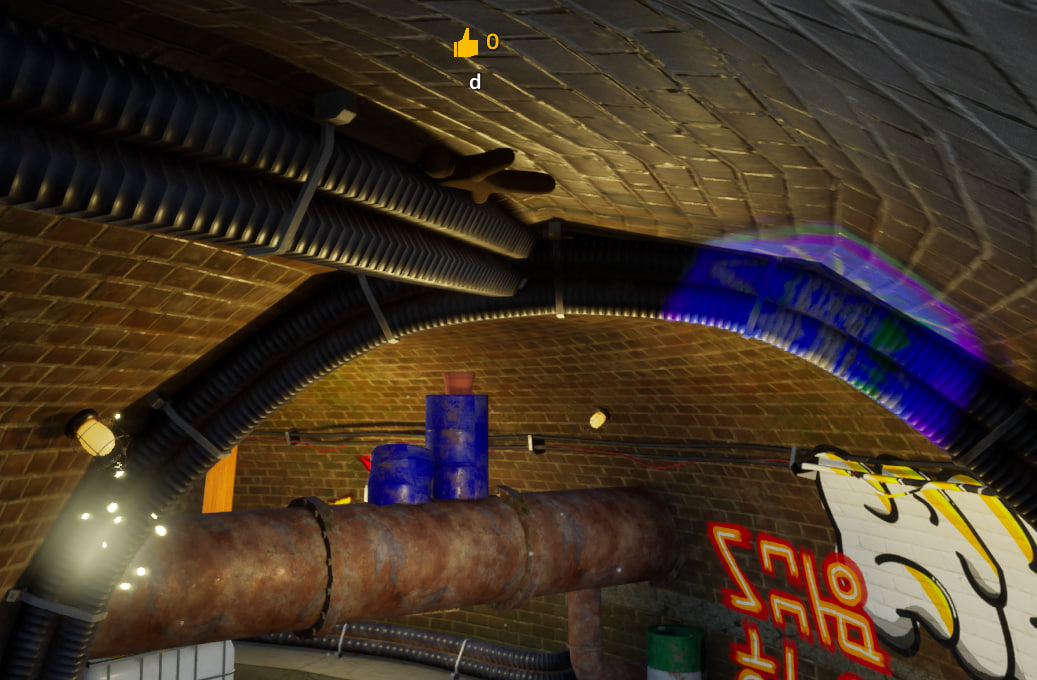
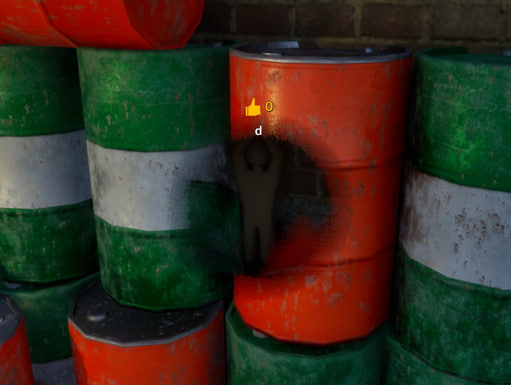
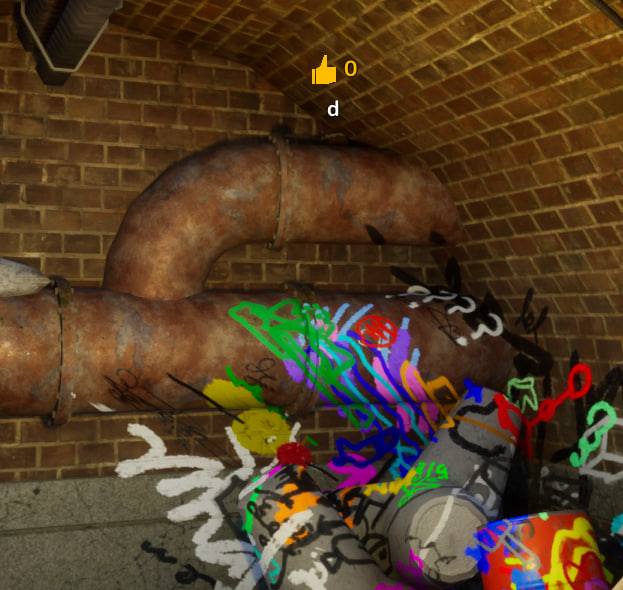
| Gas barrels & vending row | Can the pose align with barrel height or pipe direction on the ceiling plane? | Is there an extra cylinder shape or pipe break in the run? | Route prompt |
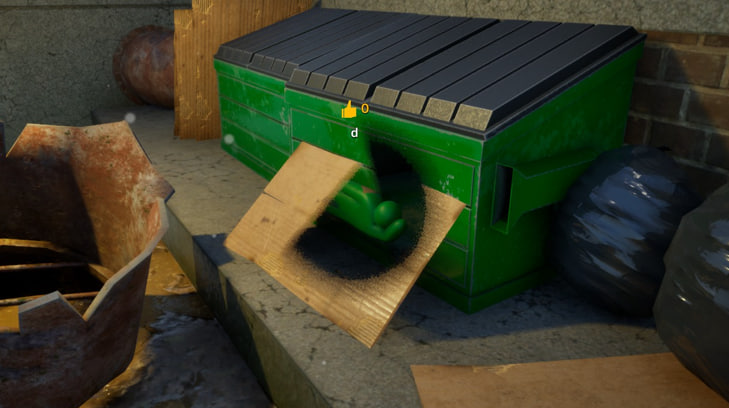
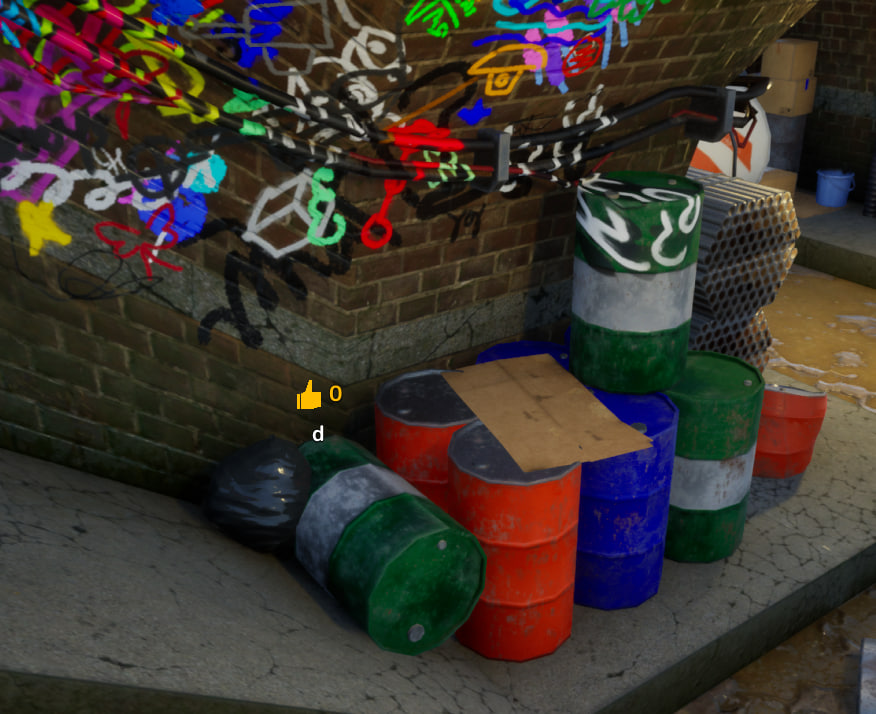
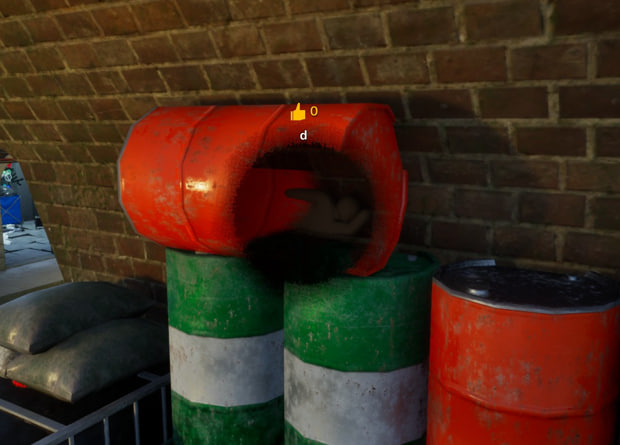
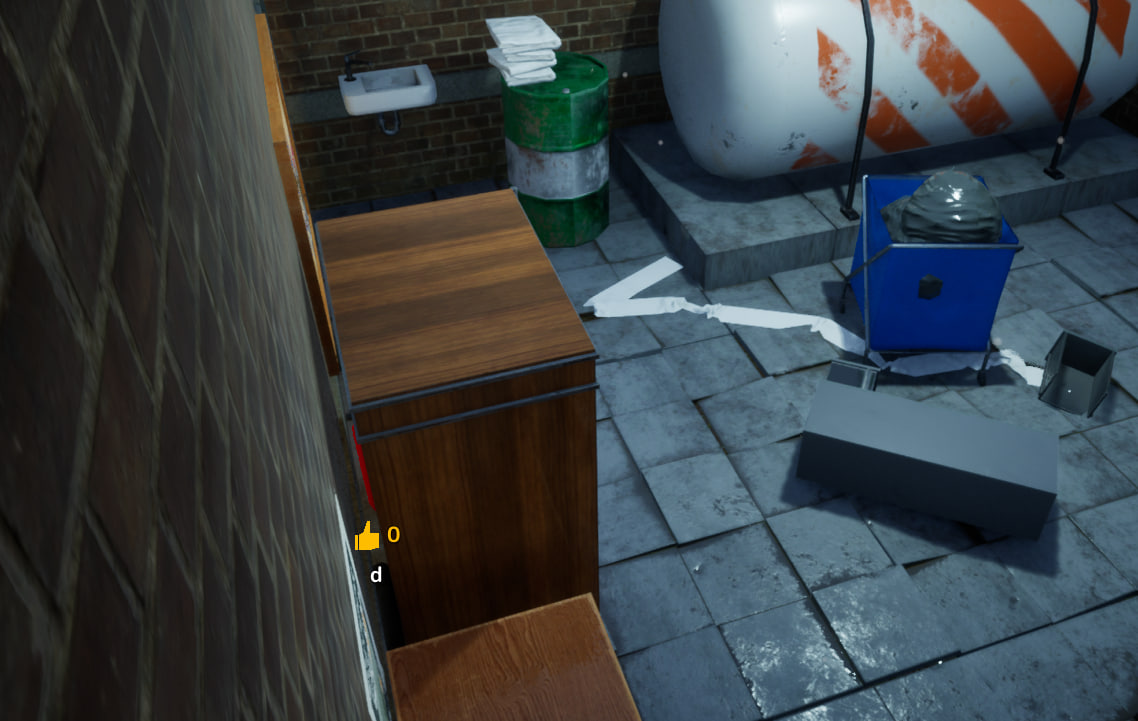
Study routes on Sewer
Use these examples to identify prop families, approach angles, and outline breaks, then adapt the idea to the room you are playing.
How to turn a study into a usable hide
- Locker rooms need overhead-light awareness — sample shadow under the lamp, not from the tunnel entrance.
- Graffiti blocks tempt busy paint; one plane and one shadow tone beat copied tag colours.
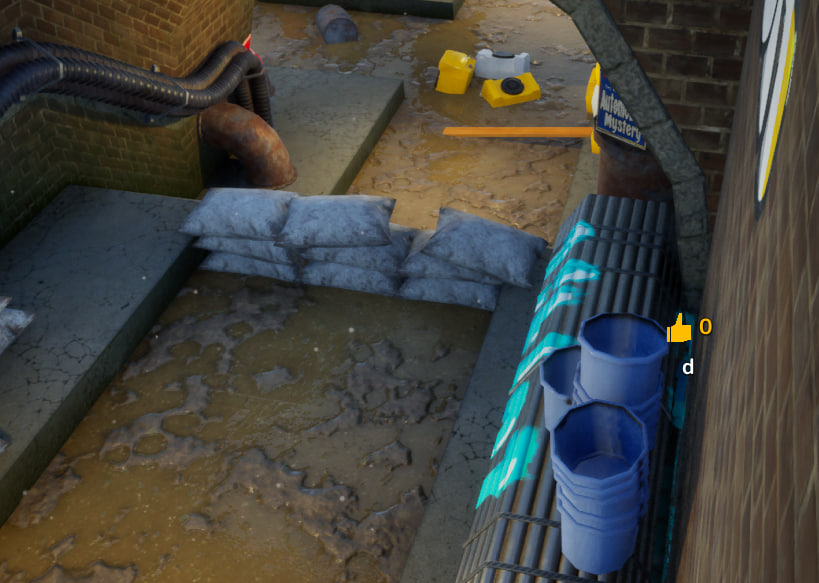
- Pipe runs only work when the pose continues the line; dangling below the pipe is an instant tell.
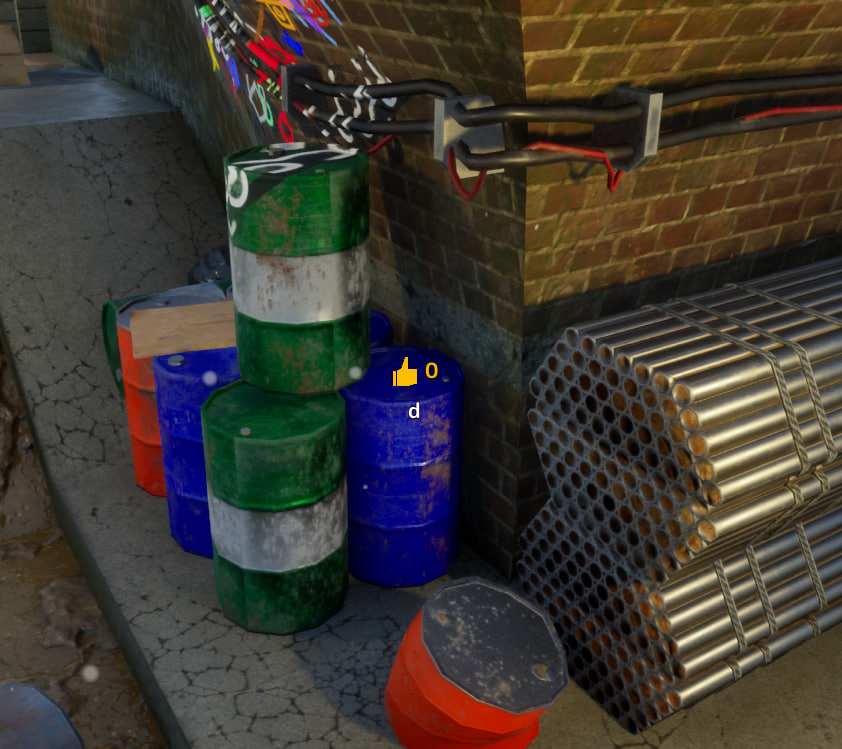
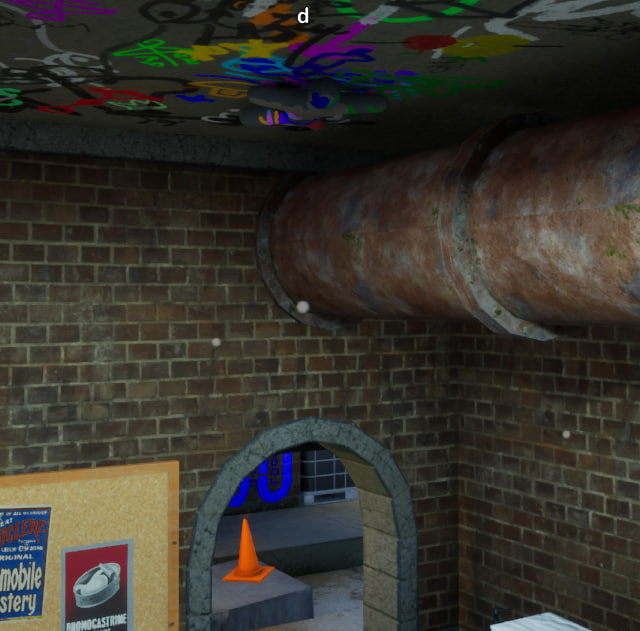
Hider decision rule
- Choose the backdrop before opening the paint tools.
- Match the largest visible surface first, then use pose to reduce the body outline.
- Spend the last moments checking the edges a Seeker will see first, not adding tiny decoration.
- Stop adjusting once the hunt begins; movement can undo a convincing disguise.
Seeker reading rule
Sweep centre canister piles and locker banks from consistent heights. Motion and broken lines beat guessing dark colour from a distance.
Three-round practice plan
- Round one: choose one broad backdrop and judge only whether the silhouette is the wrong height, width, or direction.
- Round two: keep the same area but compare a local light and shadow tone; avoid adding a complicated pattern.
- Round three: approach the area as a Seeker from the opposite direction and name the first visual clue that breaks the disguise.
Common failure patterns
- Copying a clip or landmark without checking the current layout.
- Matching a colour from another part of the room instead of the final local surface.
- Adding detail before the pose and broad outline make sense.
- Treating one spot as permanently safe without retesting it.
Post-round review questions
- What did the Seeker see first: movement, an outline, scale, or colour?
- Would the same idea survive a reverse approach angle?
- Did the current map layout differ from what you expected?
Patch note
Ceiling-adjacent pipe hides need angle checks from the main route — third-person prep can look fine while the Seeker approach reads a hanging outline.